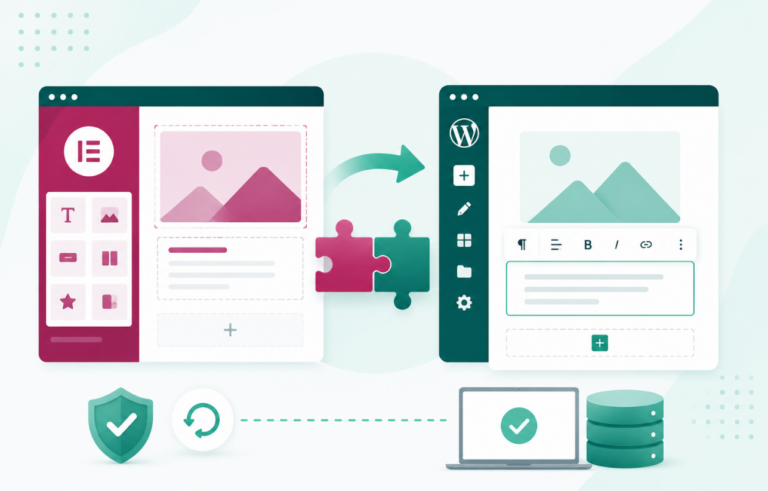
A WordPress staging site is a complete copy of your live website where you can safely test changes, updates, and new features without any risk to your production site. Think of it as your website’s safety net, a place where you can break things, fix them, and perfect your changes before they ever reach your visitors.
For WordPress developers and agencies managing multiple client sites, WordPress staging environments aren’t just helpful; they’re essential. They allow you to test plugin updates, experiment with new themes, troubleshoot issues, and demonstrate changes to clients without ever compromising the live site’s functionality or uptime.
In this comprehensive guide, we’ll walk you through multiple methods for creating staging WordPress environments. Whether you’re managing a single site or dozens of client projects, you’ll discover the staging approach that best fits your workflow and technical requirements.
Table of Contents
What is a WordPress Staging Site?
A WordPress staging site is a replica of your live website that exists in a separate environment, typically on the same server or a dedicated staging platform. This clone includes all your files, database content, plugins, themes, and configurations; essentially, everything that makes your website function.
The primary purpose of staging in WordPress is to create a safe testing ground where developers can experiment, update, and modify websites without affecting the live version that visitors see. When you make changes to your staging site, your production site remains completely untouched and continues operating normally.
Here are the key benefits of creating WordPress staging sites.
• Plugin testing – Verify plugin updates and compatibility before deploying to production
•Theme experimentation – Try new designs and layouts without disrupting user experience
• Client presentations – Showcase proposed changes and gather approval before going live
• Debugging platform – Troubleshoot complex issues without website downtime
• Team collaboration – Allow multiple developers to work on projects simultaneously
• Update validation – Test WordPress core updates in a safe environment
Core Purpose and Function
Here is the core purpose and function of the WordPress staging site.
- Safe testing environment – Create a risk-free space where you can experiment without affecting your live site
- Exact replica – Mirror your production environment, including server settings, PHP versions, and database configurations
- Isolated changes – Modifications on staging remain completely separate from your live website
- Professional workflow – Transform from risky live-site edits to structured development processes
How to Create a Staging Site for Your WordPress Website
Creating a WordPress staging site has evolved from a complex technical process to something you can accomplish in minutes. WordPress developers and agencies now have multiple options, from instant cloud-based solutions to traditional hosting provider tools. Let’s explore the most effective methods for setting up staging environments.
We’re going to cover the two scenarios:
- When your hosting provider doesn’t offer staging
- When you’re using WordPress hosting with staging
Scenario 1: When Your Hosting Provider Doesn’t Offer Staging
If your current WordPress hosting doesn’t provide a built-in staging feature, you can still create a staging site without switching hosts by using InstaWP Connect. This is one of the best WordPress staging plugins that lets you keep your live site where it is while instantly spinning up a staging environment inside InstaWP’s cloud.
Here is how you can create a WordPress staffing site using InstaWP Connect. We suppose that you already have an active InstaWP account. If you haven’t signed up with this all-in-one WordPress cloud, do it today and enjoy $25 free credit.
1. From your WordPress dashboard, go to Plugins → Add New and search for “InstaWP Connect.” Install and activate the plugin on your live site, even if it’s hosted elsewhere.

You can also use the InstaWP dashboard to install this WordPress staging plugin remotely on your live site. For this, just go to the ‘Manage’ tab, click on ‘Connect Site’.

In the pop-up window, enter the live site’s URL, decide what type of site management functionalities you want, and click on ‘Connect Site’.

By default, you get basic website management. With Basic Sites, you get:
- 500 MB staging site to test changes before going live
- Magic Login for one-click admin access without passwords
- Manual plugin/theme updates directly from the InstaWP dashboard
- Cache purging to instantly see changes
- User management to add or remove team members across connected sites
- Database editor for small content or configuration tweaks
If you need Advanced website management, just toggle the tab and unlock a full suite of tools at a mere cost of $2 per site.
- Increased staging limits for larger or more complex projects
- Automatic and scheduled updates for WordPress core, plugins, and themes
- Vulnerability scanner to detect and fix security risks early
- Performance monitoring to spot slow plugins or theme bottlenecks
- Uptime monitoring with multi-region checks and email or Slack alerts
- Config Manager to change PHP settings, debug mode, and more without editing files
- Generate website maintenance report and detailed activity logs for professional project management
Selecting the right management level ensures your staging site has exactly the features you need, whether that’s quick, lightweight testing or full-scale, agency-grade WordPress management.
Once you’ve selected the type of site management features you want, you need to approve the connection request on your live website.

2. Once activated, choose ‘Create Staging’ from the settings. Now, follow the on-screen instructions to connect your site to your InstaWP account.

3. Depending on your needs, select what kind of staging site you want to create.
InstaWP lets you create different types of staging environments, such as Quick Staging, Full Staging, and Custom Staging. Also, enter the name of your staging site. And, if you miss this part, InstaWP will automatically assign a name to your WordPress staging site.
4. You need to select the information you want the staging site to include and click on ‘Next Step’.

5. Select which information you want to exclude from the WordPress staging site and click on ‘Next Step’.

6. In a moment, you will get the details of the WordPress staging you’re going to have. It will include the disk space it is going to consume.

Proceed by clicking on the ‘Create Staging’.
If you haven’t signed up with InstaWP beforehand, you can do it at this stage. For new users, they will have the option to choose the plan.

Select the plan, make the payment, and you’ll be able to create the staging site in WordPress without any hassle.
Did you know InstaWP charges for staging sites on a per-day basis? That means if you’re just testing a plugin or a small change, you can spin up a staging site, complete your testing, and only pay for the exact days you used it, no long-term commitments or wasted costs.
Once ready, you can test updates, experiment with designs, or troubleshoot issues without touching your live site. When you’re satisfied, push the changes back to production with one click.
Scenario 2: When You’re Using WordPress Hosting with Built-In Staging
Choosing managed WordPress hosting with staging lets you create WP staging sites without any hassle. In this section, we’ll learn how to create a staging site in WordPress for the hosting control panel.
Some of the managed WordPress hosting with staging services include:
We will help you understand the entire process of creating a WordPress site on all those managed hosting providers.
How to Create a Staging Site for WordPress on InstaWP
InstaWP is one of the best managed cloud hosting providers, designed especially for agencies and developers. InstaWP revolutionizes how WordPress developers approach staging by providing instant WordPress environments that spin up in seconds.
This cloud-based platform is specifically designed for developers, agencies, and anyone who needs fast, reliable WordPress staging sites without the traditional hosting limitations.
- Instant deployment – Create fully functional WordPress staging sites in under 30 seconds
- No server management – Focus on development while InstaWP handles infrastructure and maintenance
- Multiple staging environments – Run unlimited staging sites for different projects and clients
- Collaboration features – Share staging sites with team members and clients instantly
- Pre-installed tools – Access popular plugins and development tools right out of the box
- Cost-effective scaling – Pay only for what you use without long-term hosting commitments
Here is how you can create a staging site for WordPress using InstaWP.
Go to the InstaWP dashboard and select the live site for which you want to create a WP staging site. With the managed hosting plans, you’ll get the best WordPress staging plugin, InstaWP Connect, auto-installed on your sites.

Click on ‘Create Staging’ on your live site.
Choose the type of WordPress staging site you want to create.

In the next step, you need to select the files you want to include in your WP staging environment.

Give the final confirmation for your WordPress staging sites and choose the sandbox plan to create a staging site on InstaWP.

In the blink of an eye, you’ll have a fully customized WordPress staging site.

Once connected, both your live and staging sites will appear in your InstaWP dashboard. This allows you to:
- Push updates from staging to live in one click
- Run performance or vulnerability scans before deploying
- Maintain detailed activity logs for compliance and client reporting
- Keep plugins, themes, and WordPress core updated on both environments at the same time
Instead of switching between your hosting panel and WordPress admin for staging tasks, InstaWP lets you monitor, update, and optimize both environments in one place. This means less context-switching and fewer missed updates before going live.
Read our guide ‘How to create a staging site on InstaWP’ to learn the process in detail.
How to Create a WordPress Staging Site on SiteGround
If you’re a SiteGround user, setting up a WordPress staging site is straightforward and can be done in just a few minutes. SiteGround’s Staging Tool is available in Site Tools for eligible hosting plans and offers up to 10 staging environments per account.
To keep your staging environment fast and stable, SiteGround applies a few limits:
- The database size must be under 2GB
- Fewer than 500 database tables
- At least 51% free space in your hosting account
- At least 20% free inodes available
- Maximum of 10 staging sites per account
- Up to 15 staging operations per day
- Not compatible with WordPress Multisite
- Requires subdomains for staging (you may need to add A records if your nameservers point elsewhere)
Also, you’ll not be able to create a staging site for WordPress using SiteGround if you’re on its free plan.
Considering all these aspects, using InstaWP is a far better choice as it gives you an instant, no-limit staging environment without the technical hoops. You can spin up a staging copy in seconds, regardless of your database size or number of tables, and without worrying about inode or storage quotas.
There’s no restriction on how many times you create or update staging sites, and it works seamlessly with WordPress Multisite, too. Plus, InstaWP WP staging doesn’t rely on subdomains or DNS changes; everything runs in a secure, cloud-hosted environment that’s ready the moment you click “Create.” This means faster testing, easier rollbacks, and zero headaches compared to SiteGround’s limitations.
To create a staging site in SiteGround:
1. Go to your WordPress website. In your SiteGround dashboard, open Site Tools > WordPress > Staging.

2. From the Staging section, select the WordPress install you want to work on. If it’s not listed, you can manually add it.
3. Enter your preferred staging name; SiteGround will use it to generate a subdomain like staging1.yourdomain.com.
4. SiteGround scans your site’s root directory. If it finds extra files outside WordPress’s default structure, you’ll be asked whether to include them.
- Skip unrelated folders (e.g., personal uploads)
- Include relevant assets like JavaScript, images, or custom resources
5. Click Create. SiteGround will copy your website’s files and database into the staging subdomain.
How to Create a WordPress Staging Site on Kinsta
As a managed WordPress host, Kinsta does offer WP staging, but it comes at a price. Their entry plan starts at $35/month, which is nearly four times the cost of InstaWP’s fully hosted plan at just $ 9 per month.
With InstaWP, creating a WordPress staging isn’t a premium add-on. Even on the free plan (yes, free), you can create a fully functional staging site for WordPress in seconds. No contracts. No credit card. No hidden “managed hosting” upsell.
Must Read: How to Create a Staging Site for WordPress Using Kinsta Hosting
Here is how you can create a Kinsta staging site.
- Go to your MyKinsta dashboard and select the site you want to work on.
- Inside the site’s management panel, you’ll have three options: Clone an existing Environment, Install New WordPress, and Empty Environment. Choose the option you find suitable.

- Click on the option you prefer and click on ‘Continue’. For instance, if you choose the first option, Kinsta will copy all files and the database from your live site into a new staging environment.
The setup may take a few minutes, depending on your site’s size. You’ll see a notification once the staging site is ready.
You can log into the staging site’s WordPress dashboard directly from MyKinsta. Here, you can safely make changes without affecting your live site.
As you decide to create a Kinsta staging site, make sure you have these things in mind:
- Kinsta offers two types of staging environments: Standard (included in all plans) and Premium (for larger projects or additional staging instances).

- Any changes you make in staging won’t be visible on your live site until you push them live.
How to Create a Staging Site for WordPress on Hostinger
Creating a Hostinger staging site is quick and beginner-friendly, only if you’re on a Business plan or higher, which will cost you $13.99/month, against the $9/month.
Do you know that the Hostinger staging is tied to your main domain? Subdomain staging requires manual setup and DNS edits. InstaWP works instantly for any domain or subdomain, no DNS tweaks, no hosting lock-in.
To create a Hostinger staging site:
- Go to Websites → Manage the site you want to create a staging copy of.
- In the left sidebar, search for Staging and click on it. If you don’t see the option, ensure Hostinger has detected your WordPress installation.
- Click on Create Staging.

- In the pop-up window, type the subdomain you want to use for your staging site, for example, staging.yourdomain.com, then click Create.
- Hostinger will duplicate your live site’s files and database to the new subdomain. This usually takes just a few minutes.
Must Read: How to Create a Hostinger Staging Site
How to Create a Staging Site for WordPress on GoDaddy
You can create a GoDaddy staging site only with its Managed WordPress Hosting plans, except for the Basic tier, meaning you’ll need to upgrade if you’re on the lowest tier. Plus, you’re tied to GoDaddy hosting.
With InstaWP, you can create a WordPress staging site instantly on any plan, even the free tier, without being locked into a hosting provider. It works for any domain or subdomain, requires no DNS setup, and lets you push changes live in one click with SitePush.
Must Read: How to Create a GoDaddy Staging Site
These are the steps that you need to follow to create a GoDaddy staging site.
- Sign in to your GoDaddy account and go to your My Products page.
- Next to Managed Hosting for WordPress, select Manage All.

- Find the site you want to stage, click the Menu icon, and select Settings.
- Under Staging Site, click Create.
- Wait a few minutes for GoDaddy to set up your staging environment.
How to Create a Staging Site for WordPress on WP Engine
A WP Engine staging site is part of its three-environment setup: Production, Staging, and Development, which are completely independent from each other. This separation is great for testing, but WP Engine staging is only available if you’re hosting with WP Engine and tied to their site limits and pricing tiers.
InstaWP, on the other hand, lets you create a staging site for WordPress instantly. You can even spin up a staging site for free, test changes, and push live in seconds with SitePush.
Must Read: How to Create a WP Engine Staging Site: Complete Guide
Follow these steps to create a WP Engine staging site.
- Log in to your WP Engine User Portal.
- On the Sites page, click Add Site.

- Choose Build a new site, Migrate a site, Copy/Move an environment, or Accept a transfer.

- Select Site Owner and click Next.
- In Site Details, choose STG (Staging) as the environment type.
- Give the environment a unique name and click Add Site.
- Wait for WP Engine to set up the staging environment. You’ll receive an email once it’s ready.
How to Create a Staging Site for WordPress on Bluehost
You need to use Bluehost’s staging plugin to create a Bluehost staging site. While the process is quick and convenient, it only works if your site is hosted on Bluehost, and you still have to manage staging manually inside the WordPress dashboard.
There’s also no option to run multiple isolated staging environments for the same site.
Compared to the Bluehost staging site, InstaWP gives you more flexibility, as you can create unlimited parallel staging sites for the same project, test on different PHP versions or configurations before pushing live, share a temporary staging link with clients without giving them dashboard access, and roll back instantly if something breaks after deployment.
If you still prefer to create a Bluehost staging site, here are the steps you need to follow.
- Log in to your WordPress site’s admin dashboard.
- In the left menu, go to Bluehost → Staging.

- Click Create Staging Site in the wizard.
- Wait for the staging environment to be created, then click Go to staging site.
- You’ll see a red staging label in the admin bar to confirm you’re working on the staging version.
- Make edits and publish them live when ready.
How to Create a Staging Site for WordPress Manually
If you don’t want to rely on your host’s built-in staging tool or plugins, you can create a staging site for WordPress manually. This gives you full control, but it’s more time-consuming and not ideal for quick iteration. Plus, when you push changes from staging to live, your site will go temporarily offline, something modern instant staging tools (like InstaWP) avoid entirely.
Also, you need access to the Panel of hPanel of the hosting provider to create a staging for WordPress manually. This way, the process is easy because you’ll have access to the File Manager, and you can easily create subdomains and databases
Bluehost, Hostinger, A2 Hosting, and Namecheap are a few of the hosting providers that allow you to create a staging site for WordPress using hPanel.
Here is how you can create a staging site for WordPress using hPanel.
Step 1: Make a Special Website Address for Staging
- Log in to your hosting account
- Look for something called Subdomains.

- Create a new one; for example, staging.yourwebsite.com.
- This is like a secret playground where you’ll test changes.
Step 2: Copy Your Live Site’s Files
- Download your live site files using FTP (like FileZilla).
- Upload those same files into the new subdomain’s folder that your host created.
Step 3: Copy Your Website’s Database
- Go into phpMyAdmin (you’ll find this in your hosting control panel).
- Export your live site’s database (it’s like your site’s brain).
- Then create a new database for your staging site and import that file into it.

Step 4: Connect Your Files to the New Database
- In the staging folder, find the file called wp-config.php.
- Open it and change the database name, username, and password to the new ones you just made.
Step 5: Update the Website Address
- Open your new database in phpMyAdmin and go to the wp_options table.
- Change the “siteurl” and “home” values to your new subdomain address (like https://staging.yourwebsite.com).
- In your hosting account, look for Directory Privacy or “Password Protect.”
- Add a username and password so only you can see the staging site.
- Go to staging.yourwebsite.com/wp-admin.
Log in and make sure everything works before you start making changes.
Doing this by hand can take 30 minutes or more, and you have to handle databases, files, and settings. With InstaWP, you click one button and get a staging site in under 10 seconds.
Best Practices to Follow When Creating a Staging Site for WordPress
Successfully implementing staging WordPress environments requires more than just technical setup. WordPress developers and agencies who consistently deliver quality results follow specific practices that ensure their staging sites provide maximum value while maintaining security and efficiency throughout the development process.
Security and Access Control
Protecting your WordPress staging site from unauthorized access is fundamental to professional development workflows. Staging sites often contain sensitive client information, work-in-progress designs, and experimental features that should never be publicly accessible.
Always implement password protection on your staging environments, regardless of the method you use to create them. This prevents search engines from indexing incomplete work and keeps competitors from seeing upcoming client projects. Use strong, unique passwords and consider two-factor authentication when available.

Data Management and Synchronization Strategy
One of the biggest challenges in staging WordPress workflows is maintaining data consistency between your staging and production environments. As your live site continues to receive new content, user registrations, and database changes, your staging site can quickly become outdated.
Develop a clear strategy for handling data synchronization based on your project timeline and client needs. For short-term projects, creating a fresh staging site from the latest production backup works well. For longer development cycles, you may need to selectively sync specific database tables or implement automated synchronization tools.

Professional Deployment Workflows
Successful staging site management depends on establishing consistent processes that your entire team can follow. This includes clear communication protocols with clients, standardized testing procedures, and reliable deployment methods.
Create detailed checklists for testing different types of changes, from simple plugin updates to complex theme modifications. These checklists should include functional testing, performance verification, and cross-browser compatibility checks. When working with clients, establish clear expectations about staging site review timelines and feedback collection processes.

Following these best practices transforms your WordPress staging site from a simple testing environment into a professional development tool that enhances client relationships and streamlines project delivery.
Why WordPress Developers Need Staging Sites
WordPress developers and agencies face unique challenges when managing client websites. Every change carries risk, every update could break functionality, and every modification happens under client scrutiny. A WordPress staging site transforms these challenges into manageable, professional workflows.
- Prevent website disasters – Test all changes before they reach live sites and real users
- Maintain client trust – Demonstrate reliability by never breaking production websites
- Reduce emergency calls – Catch issues in staging rather than discovering them when sites go down
- Professional reputation – Show clients you follow industry best practices for website management
- Insurance against failures – Always have a working backup plan when updates go wrong
- Plugin compatibility checks – Verify new plugins work with existing themes and functionality
- WordPress core updates – Test major version updates before applying to production sites
- Theme modifications – Customize designs and layouts without risking the live site appearance
- Performance testing – Measure how changes affect site speed and user experience
- Cross-browser validation – Ensure changes work across different browsers and devices
- Visual demonstrations – Show clients exactly how proposed changes will look and function
- Iterative feedback – Make revisions based on client input without affecting the live site
- Change approval process – Get client sign-off before implementing modifications
- Training environments – Teach clients how to use new features in a safe space
- Project milestones – Present completed work phases for review and approval
For WordPress developers and agencies, staging WordPress environments aren’t optional tools; they’re essential infrastructure for delivering professional, reliable services to clients.
Choose the Right Way to Create a Staging Site for WordPress
Creating a WordPress staging site is no longer optional for professional developers and agencies. It’s an essential part of delivering reliable, high-quality websites to clients. The methods we’ve covered each serve different needs and technical requirements, but they all share one common goal: protecting your live sites while enabling confident development and testing.
For most WordPress developers and agencies, InstaWP emerges as the clear winner for staging site creation. Its instant deployment, collaborative features, and developer-focused tools eliminate the traditional barriers to staging site adoption. You can create multiple staging environments in seconds, share them with clients for approval, and focus on development rather than server management.
Start creating a staging site for WordPress without any cost. Sign up with InstaWP today.
FAQs
What is WordPress staging, and why do I need it?
WordPress staging is the practice of creating an exact copy of your website in a separate environment where you can safely test changes, updates, and new features. You need it because making changes directly to your live site risks breaking functionality, causing downtime, and damaging user experience. Staging sites let you test everything thoroughly before deploying to production.
How long does it take to set up a WordPress staging site?
The setup time varies dramatically by method. InstaWP can create a staging site in under 30 seconds, while hosting provider tools typically take 5-15 minutes. Manual staging site creation can take 30-60 minutes, depending on your site size and technical experience. Plugin-based solutions usually require 10-20 minutes for initial setup.
Can I create multiple staging sites for the same website?
Yes, most staging solutions support multiple staging environments. This is particularly useful for agencies managing different aspects of a project simultaneously – one staging site for design changes, another for functionality updates, and a third for client presentations. InstaWP and premium hosting providers typically offer unlimited or high-limit staging site creation.
Do staging sites affect my website’s SEO or search rankings?
Properly configured staging sites should never impact your live site’s SEO. Always password-protect staging environments and use noindex tags to prevent search engines from crawling them. Most staging solutions automatically handle these SEO protections, but it’s worth double-checking that your staging sites aren’t accidentally getting indexed.’
What happens to new content when I deploy staging changes to my live site?
This is one of the trickiest aspects of WordPress staging workflows. When you deploy from staging to production, you typically overwrite your live site’s database, which means new posts, comments, or user registrations created after the staging site was made will be lost. Always back up your live site before deployment, and consider manually transferring important new content to your staging site before deploying.
Can I use staging sites for WooCommerce and membership websites?
Yes, but these sites require extra care when handling staging deployments. WooCommerce staging sites should use test payment gateways to avoid processing real transactions. For membership sites, be careful about user data synchronization and consider how staging changes might affect existing member access. Both scenarios benefit from selective deployment options that only push specific changes rather than complete site overwrites.
Are there any limitations to WordPress hosting with staging features?
Most hosting providers limit staging sites to one per account or domain, and some restrict staging to higher-tier plans. The staging environments may also have limited customization options compared to dedicated staging platforms like InstaWP. Additionally, some shared hosting staging features don’t perfectly replicate the production server environment, which can occasionally lead to issues that appear during deployment.
How often should I create fresh staging sites?
For ongoing projects, create fresh staging sites whenever your live site has received significant new content or structural changes. Many developers refresh staging sites weekly for active projects or before each major development phase. Short-term projects might only need one staging site, while long-term development benefits from regular staging site recreation to maintain data consistency.