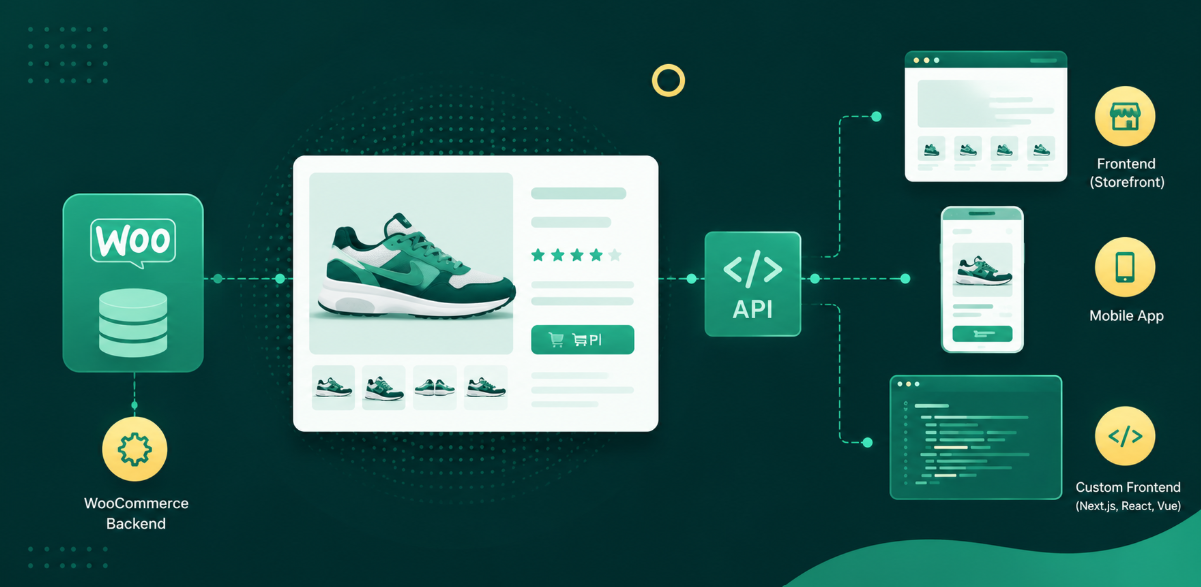
Let’s consider a scenario: Imagine you’re a WordPress agency handling multiple client projects. Each client expects a fast, secure, and SEO-optimized website. Your team struggles with the slow load times of dynamic WordPress sites, frequent security vulnerabilities, and the constant need for plugin updates.
You’re under pressure to find a solution that simplifies these processes and enhances website performance. Enter the best static site generator options to help your agency tackle these challenges while reducing server-side overhead.
The concept of a static site generator could be a game-changer for WordPress agencies looking to improve their workflows.
Table of Contents
What Is a Static Site Generator?
A static site generator is a tool that transforms dynamic content—such as WordPress posts and pages—into pre-built static HTML files. These files are served directly to the user without any need for a database query or server-side processing.
This results in faster page loads, better security, and improved scalability. A WordPress static site generator offers significant advantages for WordPress agencies looking to enhance client sites.
Instead of serving dynamic WordPress content in real-time, these generators create a static version of the site that can be deployed to a CDN, reducing hosting complexity and boosting performance.
How Do Static Site Generators Work?
The process is relatively straightforward:
- Content Creation: WordPress agencies write and manage content in markdown, YAML, or JSON, which are then processed by the static site generator.
- Template Usage: Pre-designed templates or themes help structure the website layout.
- Build Process: The static site generator assembles the markdown content and templates into static HTML files, ready for deployment.
- Deployment: These static HTML files are deployed to platforms such as Netlify, GitHub Pages, or Amazon S3, where they are served quickly via a CDN.
This process allows WordPress agencies to hand over websites to clients that load faster, require less ongoing maintenance, and are more secure due to the lack of dynamic processing on the server side.
Why Should WordPress Agencies Use Static Site Generators?
Here are the top benefits that WordPress agencies can gain by using a static site generator:
- Faster Load Times: With a static site generator, content is pre-built into HTML files, eliminating the need for database queries during page load. This results in faster load times, contributing to a better user experience and improved SEO rankings.
For WordPress agencies, this can make a significant difference in client satisfaction, particularly for marketing websites, blogs, and e-commerce landing pages.
- Increased Security: Static sites have fewer WordPress security vulnerabilities than dynamic WordPress sites because they do not rely on databases or PHP scripts. Without a backend, there are fewer opportunities for attackers to exploit.
For WordPress agencies managing multiple client sites, security becomes a non-issue with static site generators.
- Scalability: Static sites can easily scale, especially with the use of Content Delivery Networks (CDNs). This means that even during traffic spikes, the website’s performance remains stable, and no dynamic database processing is required.
For WordPress agencies working with high-traffic clients, scalability becomes a huge selling point when recommending a static site generator.
- Improved SEO: Speed is a critical factor for WordPress SEO, and static sites inherently load faster than dynamic ones. By using a WordPress static site generator, WordPress agencies can ensure their clients’ sites have an SEO advantage, which is crucial for competitive industries. Faster load times and clean, simple code make static sites more SEO-friendly.
- Easier Version Control: Since static sites are stored in Git repositories, version control becomes straightforward. For WordPress agencies working on multiple client projects, managing different versions of sites and keeping track of changes becomes much easier using tools like GitHub or GitLab.
When Should WordPress Agencies Use a Static Site Generator?
A static site generator is a good choice in the following scenarios:
- Marketing Websites: Static sites excel at delivering fast, SEO-optimized landing pages and blogs. Agencies working with marketing-focused sites can leverage the benefits of static site generators to improve speed, security, and cost-efficiency.
- Documentation and Knowledge Base Sites: For documentation-heavy sites that require minimal backend interaction, a static site generator is an ideal solution. The ability to quickly create and update static content is beneficial for WordPress agencies handling documentation websites for clients.
- Portfolio Sites: Developers and designers creating personal or portfolio sites will benefit from the performance advantages of static site generators. With minimal ongoing updates and high demands for speed, static sites offer the best of both worlds.
- Corporate Websites: For corporate websites with a simple structure and infrequent content updates, static site generators provide an easy-to-manage solution that delivers performance and security.
The Best Static Site Generators for WordPress Agencies
WordPress agencies looking to transition to static sites can choose from several static site generator plugins.
We will make the job easy for you with this list of the best static site generators.
Simply Static: One of the most popular options for WordPress static site generators, Simply Static converts your WordPress content into static HTML files. It’s a straightforward plugin for agencies that want to get started with minimal configuration. Simply Static is an excellent tool for agencies looking for an easy way to move their sites to a static format without deep technical knowledge.
Hugo: For advanced users who want more control over the static site generation process, Hugo WordPress static site generator offers greater flexibility and customization. It provides full control over the static site creation, making it perfect for WordPress agencies that handle more complex client needs.
Staatic: Staatic is a fully managed service that automatically turns WordPress sites into static sites. This is an ideal choice for WordPress agencies that want a hands-off, automated solution for their clients without needing extensive technical know-how.
Need more options? Check out the WordPress plugin repository and choose the best static site generator of your choice.
Conclusion: Should You Use a Static Site Generator?
Incorporating static site generators into your workflow can vastly improve the speed, security, and scalability of WordPress websites. If your projects are focused on marketing, documentation, portfolios, or other content-driven sites that don’t require real-time dynamic interactions, a static site generator could be a game changer.
While static sites may not be suitable for every use case—especially for sites that require a lot of backend interactivity—SSGs provide WordPress developers with a powerful tool for building high-performance, cost-effective websites.
If you’re a WordPress developer or agency looking to optimize speed and enhance security, consider diving into static site generation—it could be the future of efficient, modern web development.
FAQ: WordPress Static Site Generators
What is a static site generator for WordPress?
A static site generator (SSG) for WordPress is a tool that converts dynamic WordPress content (posts, pages, etc.) into static HTML files. These files are pre-built and served without requiring real-time database queries, making the website faster and more secure.
Why should I use a static site generator instead of a traditional WordPress site?
Static site generators offer several advantages, including:
- Faster load times due to pre-built HTML.
- Better security, as there’s no database or dynamic server-side processing.
- Lower hosting costs since static files can be hosted cheaply on services like GitHub Pages, Netlify, or Amazon S3.
- Scalability with the ability to handle traffic spikes without performance degradation.
Can I still use WordPress with a static site generator?
Yes! You can still use WordPress as a content management system (CMS) with a static site generator. WordPress remains your back-end platform for content creation, while the static site generator generates the static HTML files from your WordPress content. Plugins like Simply Static and Staatic make this process easy.
What are the drawbacks of using a static site generator?
While static sites offer many benefits, there are some limitations:
- Limited interactivity: Features like user authentication, comments, or dynamic content require additional integrations or workarounds.
- Complex content management: Managing content is less intuitive compared to traditional WordPress, especially for clients without technical skills.
- No real-time updates: Static sites don’t reflect changes immediately unless rebuilt and redeployed.
Are static sites good for WordPress SEO?
Yes! Static sites offer excellent WordPress SEO benefits due to their fast load times and simplicity. Search engines favor fast-loading websites and static sites typically load much faster than dynamic sites.
Moreover, with proper structuring, optimized images, and minimized JavaScript and CSS, static sites can rank highly on search engines.
Can I add dynamic features to a static site?
Yes, but it requires additional work. You can integrate dynamic features like forms, e-commerce, or search functionalities using third-party services (e.g., Netlify functions, Formspree for form handling, or Algolia for search). These features are typically handled via JavaScript or serverless functions.
When is the best time to use a static site generator?
A static site generator is ideal for:
- Marketing websites, blogs, and portfolios that don’t require real-time dynamic content.
- Documentation or knowledge base sites that need to be fast and easy to scale.
- Sites where security and performance are critical. If your site requires complex user interactions or dynamic content, a traditional WordPress setup may be more appropriate.