

Just another contact form plugin. Simple but flexible.
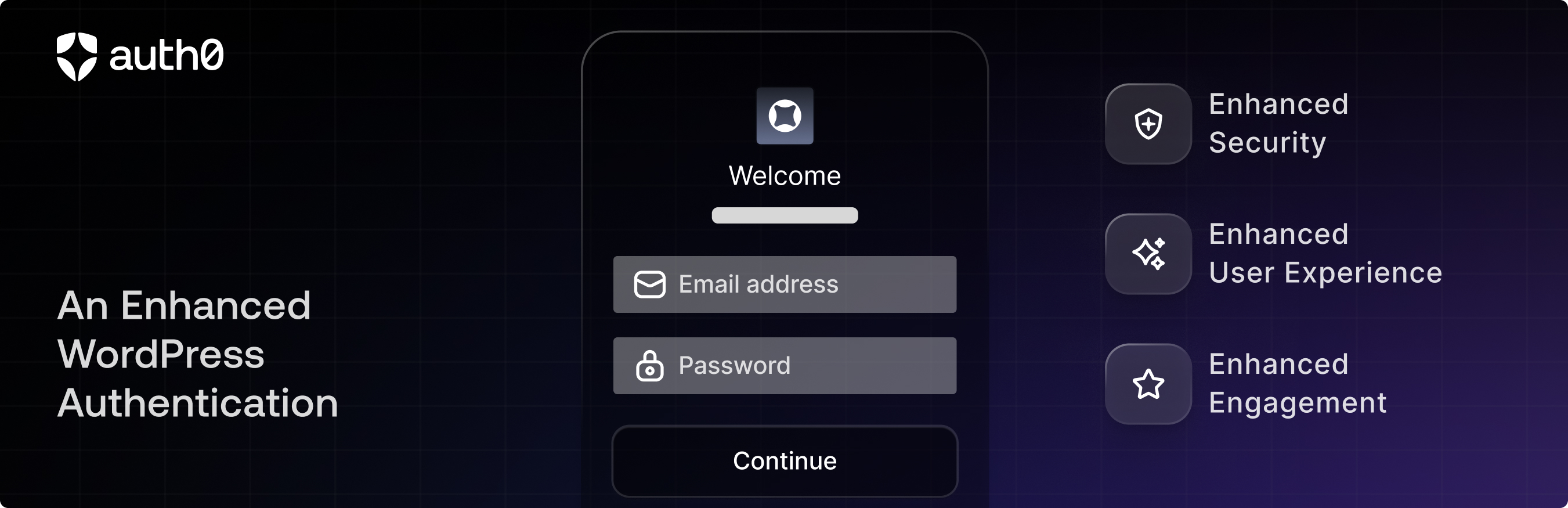
About Login by Auth0
This plugin replaces the standard WordPress login forms with one powered by Auth0, which offers universal authentication and enhanced security features such as multifactor authentication and password policies. It also allows for easy migration of existing users and offers options to enable Auth0 as a widget or use it as a shortcode in your editor.Frequently asked questions
What is the primary function of the Login by Auth0 plugin?
This plugin replaces standard WordPress login forms with one powered by Auth0. It enables universal authentication, including social login, enterprise connections, and passwordless connections.
What security features does Login by Auth0 offer?
Login by Auth0 provides multifactor authentication, password policies, email validation, and mitigation against brute force attacks.
How does Login by Auth0 handle user authentication compared to standard WordPress?
By using this plugin, site authentication and profile handling are delegated to Auth0, meaning the WordPress database is not used to authenticate users. The default WordPress login forms will also be replaced.
How does Login by Auth0 manage existing WordPress users?
Auth0 uses the verified email of a user to associate a previous existing WordPress user with the one coming from Auth0. If the email is not verified and an account exists in WordPress, the user will be prompted to re-send the verification email.
What types of authentication providers does Auth0 support?
Auth0 supports multiple authentication providers, including social providers like Facebook and Google+, a database of users and passwords, and enterprise directories such as Active Directory, LDAP, Office365, Google Apps, or SAML.