
Loopia had a clear blocker in WordPress hosting onboarding. Users signed up, hit a blank WordPress install, and dropped off before they built anything worth paying for. So Loopia rebuilt onboarding on top of InstaWP, the all-in-one managed WordPress hosting platform.
Now users describe the site they want, launch a working WordPress demo in seconds, customize it, and move it to live hosting when they are ready. About one in four of those demo users becomes a paying hosting customer. Here is the exact process Loopia adopted, the products behind it, and the results.
Key takeaway
Loopia replaced a blank-install signup with an AI demo-first funnel built on InstaWP. Users go from a single prompt to a working WordPress demo to live hosting, and roughly 25% of demo users convert into paying customers.
Meet Loopia
 Sweden's largest hosting provider, part of team.blue
Loopia has been one of the Nordic region's leading web hosting brands since 1999, and is now part of the team.blue group. It serves customers across domains, hosting, email, SSL, WordPress, and website tools.
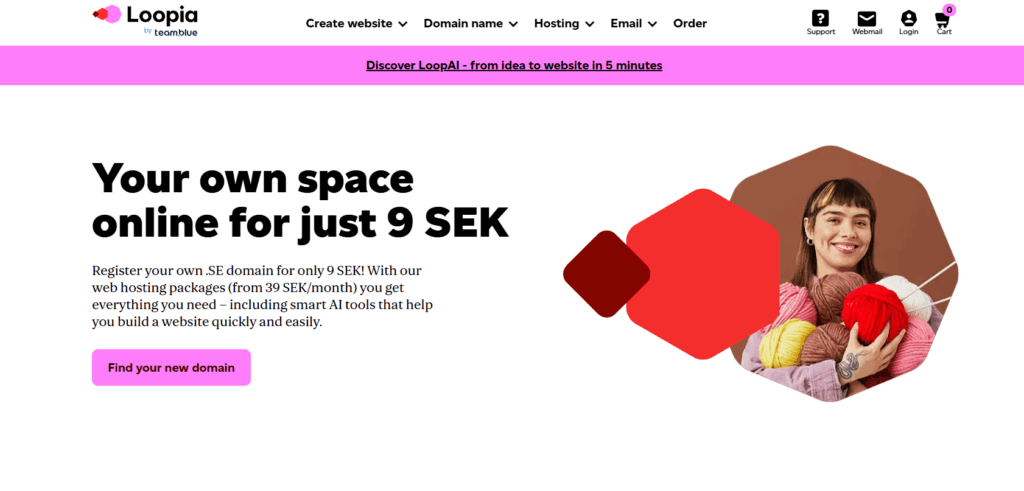
Like many hosting companies, Loopia serves a wide base: small businesses, creators, freelancers, agencies, and entrepreneurs who want a professional website without becoming WordPress experts first. That audience does not want to think about database setup, admin URLs, blank dashboards, or migration steps. They want to describe the website they need and start editing it.
The challenge: hosting trials lost momentum too early
Traditional WordPress hosting onboarding asks too much before the user sees value. They choose a plan, install WordPress, log in, pick a theme, configure plugins, and write content, and only then start to understand what their site could become. That is a conversion problem. Users who were excited at signup lose momentum before they build anything.
1. Installation friction
Users had to deal with WordPress setup, admin access, and technical onboarding before seeing a usable site.
2. Blank-site anxiety
A fresh install gives freedom, but it also gives a blank screen. Many users do not know what to do next.
3. Demo-to-live gap
Even when users built something they liked, moving that demo to a real domain and hosting account slowed the sale down.
4. Support load
Every confused user becomes a support conversation, which raises cost before conversion happens.
The solution: the demo-first process Loopia adopted
Loopia partnered with InstaWP to rebuild the journey around activation. Instead of sending users into a blank dashboard, Loopia starts them with an AI prompt and a working demo site. Here is the four-step process, end to end.
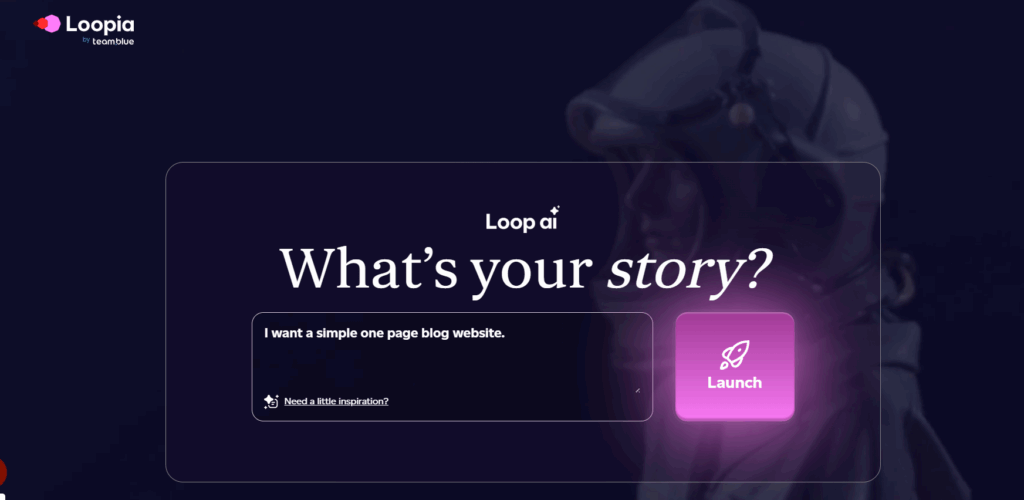
Step 1: The user describes the website with a prompt
Instead of choosing a plan and installing WordPress, a new Loopia user is asked to describe the kind of website they want in plain language. That single prompt gives the flow enough context to generate a relevant starting point, rather than a generic empty install.
Step 2: InstaWP spins up an isolated demo with InstaDemos
Using InstaDemos, Loopia gives each user a real, isolated WordPress demo site built from a reusable, pre-configured snapshot, in seconds.
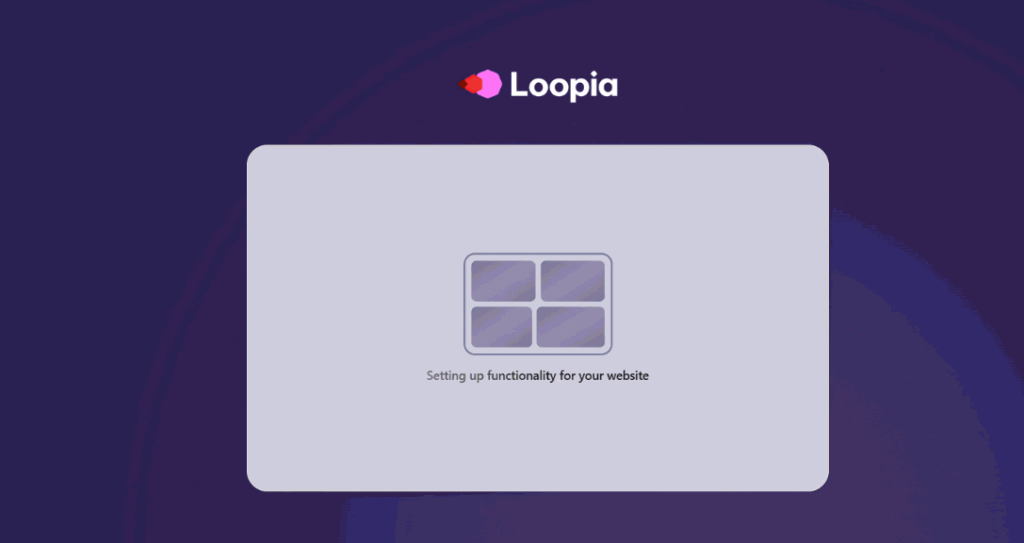
It is a live WordPress site, not a screenshot or a video, so the user can click around, log in, and edit. The demo is white-labelled to Loopia's branding, and InstaDemos handles the demo link, the expiry window, and lead capture in the background.
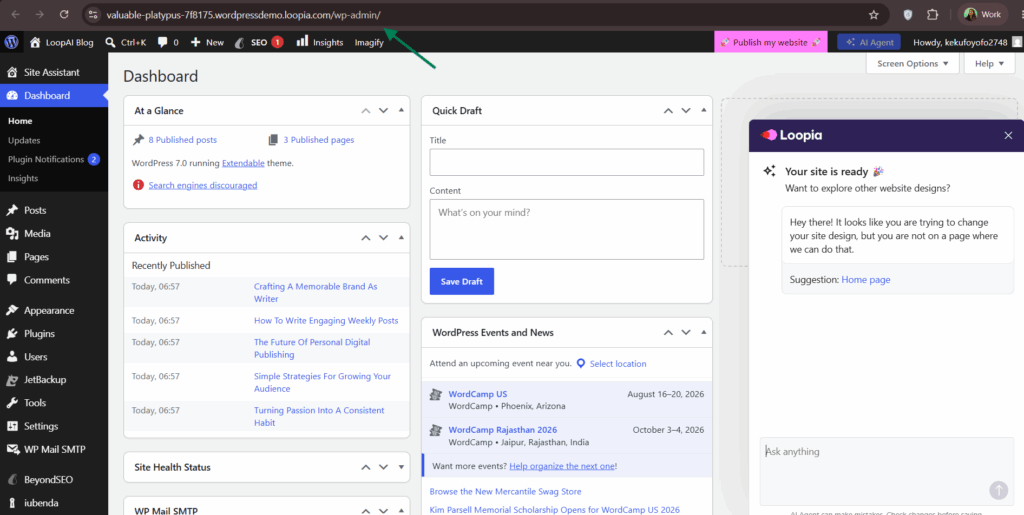
Step 3: The user customizes the demo safely
Inside the demo, the user edits content, swaps images, tries themes and plugins, and previews the result. Because it is a sandboxed demo, there is no risk to anything live and no setup to undo. The user experiences the value of WordPress hosting before committing to a paid plan.
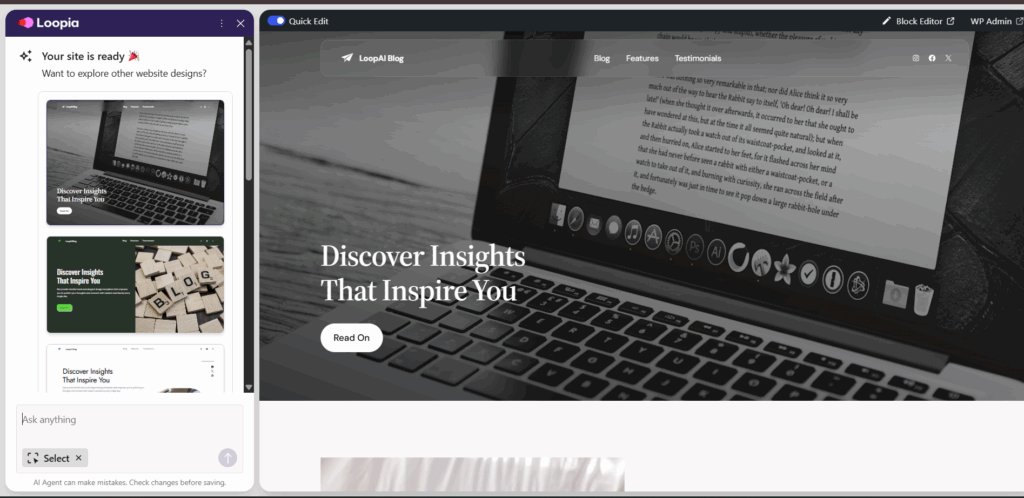
Step 4: The demo converts to live hosting with InstaMigrate
When the user is ready to go live, they pick a paid plan and InstaMigrate moves the demo into Loopia's production hosting. The work they did in the demo carries over intact, so there is no manual rebuild, no re-setup, and none of the usual migration friction between trial and production.
Did you know? InstaDemos is built for exactly this. It can generate shareable demo links, white-label the demo to your brand, set an expiry on each demo, and collect emails from people who try it, which turns a demo into a measurable sales channel for a hosting company.
Before and after InstaWP
Here is how the onboarding journey changed once Loopia rebuilt it on InstaWP, side by side.
The results
After moving onboarding to a demo-first flow, about one in four InstaWP demo users now converts into a paying customer with a live domain. Users reach a working site in seconds, and the blank-install drop-off that used to stall signups is gone.
Results at a glance
About 1 in 4 demo users convert into paying customers with a live domain (roughly 25%).
A working WordPress site in seconds, generated from a single prompt instead of a manual install.
Blank-install drop-off removed from the first-run experience, so users see value before they are asked to pay.
Demo to live handled by InstaMigrate, so customers keep their progress with no manual rebuild.
Why the demo-first funnel works
Hosting companies do not lose customers only on price or performance. They lose them because the path from signup to a usable website is too slow. A demo-first funnel changes that. It gives users a real site before asking them to think about hosting infrastructure, so the hosting purchase becomes the next natural step rather than the first hurdle.
Here is what Loopia did, in order:
- Started with the user's goal, not the server setup.
- Generated a working WordPress site before the user lost interest.
- Let the user customize inside a safe demo environment.
- Moved the finished demo to live hosting with InstaMigrate, with no restart.
- Used management and support workflows to keep the customer successful after launch.
Demos and migration are how Loopia started, but InstaWP is a complete managed WordPress hosting platform across four workflows: Build, Host, Manage, and Sell. Hosting companies and agencies use the same platform to run the entire site lifecycle, not just the trial.
Build
Spin up WordPress sites in seconds from scratch, a snapshot, the template store, or AI. One-click WP staging, clone, templates, and full Git deployments.
Host
Production hosting with InstaCDN (up to 119 global PoPs), InstaShield WAF and DDoS protection, auto SSL, object cache, image optimizer, and daily backups.
Manage
Manage any WordPress site with the Connect plugin: 2-way sync, uptime and vulnerability scans, activity logs, and client-ready PDF reports.
Sell
Launch a hosting business with WaaS: white-label branding, your own pricing, and margin on every site you resell.
It is also AI-ready. With InstaWP MCP, every InstaWP site connects to AI clients like Claude and ChatGPT through a single toggle, so teams can build, manage, and troubleshoot WordPress with an AI assistant, no server setup required.
Conclusion
Loopia's result is not just about adding AI to a form. The bigger shift is in how the hosting funnel is designed: let users experience a real website first, then make the hosting purchase the natural next step. Built on InstaWP's managed hosting platform, that demo-first funnel turned roughly one in four demo users into paying customers.
Frequently asked questions
What did Loopia use InstaWP for?
What results did Loopia see?
How fast can a demo site launch?
Can other hosting companies build the same funnel?
Planning to launch a hosting funnel like Loopia?
InstaWP helps you build a demo-first hosting funnel where users go from interest to working WordPress site to paid hosting in fewer steps.